
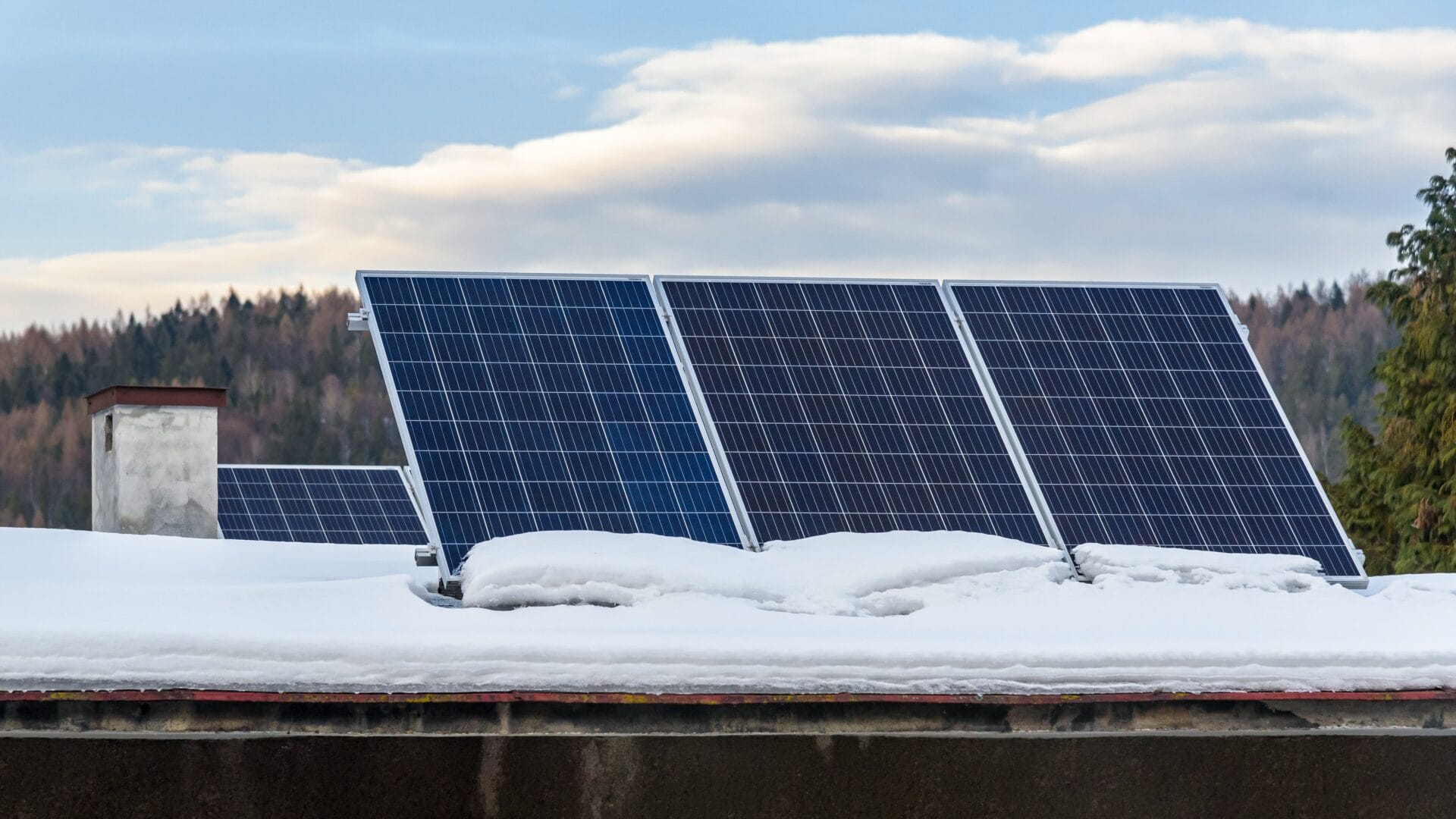
Solar panels are an incredible solution for powering a house and meeting its energy needs. However, a question often arises. What do you do with the excess energy generated by solar installation in Taunton? Wasting power, particularly during times of crisis, can be catastrophic for everyone. Naturally, you should try to avoid it at all costs.
What Causes Solar Panels to Generate Excess Energy
The highest output of solar panels is usually during midday. That is when the sun is directly overhead and at its strongest. During this time, most people are away from their homes. Some are at work, while others are at school. Some even indulge in leisure activities during these hours. As such, electricity demand at midday is relatively low. The mismatch between usage and generation leads to excess solar energy.
Using the Surplus Energy Generated: Several Options Explained
Thankfully, several options allow you to make the most of the extra energy generated. As always, every person is different. It means there is no quick fix that fits everyone.
Sending Electricity Back to the Grid
If your system yields more energy than necessary, the surplus is automatically exported to the National Grid. A solar installation in Taunton is usually eligible for the Smart Export Guarantee (SEG), but only if an MCS-accredited installer installed the solar PV system. In fact, you are compensated for every unit (kWh) of electricity exported to energy suppliers under SEG.
The transfer takes place automatically, with the inverter and smart meter determining when power should be directed to your home and when it is not required and can be sent to the grid.
Storing Additional Energy in Solar Batteries
Solar batteries for storing excess electricity are increasingly becoming part of solar PV systems across the country. It is an exceptionally effective way to reduce self-consumption. Instead of exporting surplus power, you use an inverter. This inverter directs electricity to a battery for future use. You can utilise this energy at night when the panels are not generating.
Storing power in a battery helps reduce dependence on peak-rate electricity. You enjoy improved protection and better control over rising energy prices. Battery storage also gives you access to time-of-use tariffs. You benefit from overnight lower import rates to fill your battery and take advantage of cheaper power during the early evening. That is when import rates are highest.
Using a Solar Diverter
You can divert excess solar energy into your home using a solar diverter. It mostly helps with heating your hot water cylinder. Instead of exporting or storing electrical energy in a battery, you can turn it into hot water for free.
Other smart technologies can prioritise excess energy for EV charging, such as powering heat pumps and other appliances through smart controls.
What to Do If You Do Not Have Batteries or Diverters
Not everyone has a battery or diverter installed. If you are one of those people, the surplus energy will return to the grid without any waste. Just remember that you will receive payment for the exported electricity only if you register for an export tariff with a solar installation supplier in Taunton.
At Sunflower Energy Solutions Ltd, we offer unique options to help homeowners become more eco-friendly or to ensure businesses operate year-round. We are a family-run business that can help you fulfil your goals with expert advice and support on all things solar.
Get in touch with our team today.