Solar power is becoming one of the most popular choices among people in the UK due to its affordability and sustainability. However, despite its growing popularity, many people are taking a step back because this power source is highly dependent on weather events.
If you are also stressing over the same and postponing the solar installation in Exeter, understanding the underlying details can help. In-depth understanding of how different weather conditions affect solar power helps you plan and maintain the system to ensure consistent performance.
What are the Factors You Must Understand Before Solar Installation in Exeter?
The Right Solar Panel for Your Climate
The type of solar panel largely affects its productivity. For example, if your area receives very little natural light (due to its location or the rainy season), go for monocrystalline panels. These solar panels are designed to produce electricity with limited natural light, and they thrive.
On the other hand, if your location receives ample sunlight year-round, install polycrystalline panels. These panels are cost-effective and can produce ample electricity with sufficient sunlight. If you are wondering how to decide the right one, seek profesional guidance.
Optimising Panel Orientation and Tilt
One of the most common mistakes homeowners make is hiring inexperienced individuals for solar panel installation. Poor knowledge prevents them from identifying the optimal panel orientation and tilt. It leads to lower power generation and a poor experience.
The angle of the solar panel must be adjusted so it receives the maximum amount of sunlight at different times of day. Additionally, it must be tilted to the property’s latitude. Partner with seasoned experts for a customised solar installation in Exeter.
Maintaining Solar Panels for Peak Performance
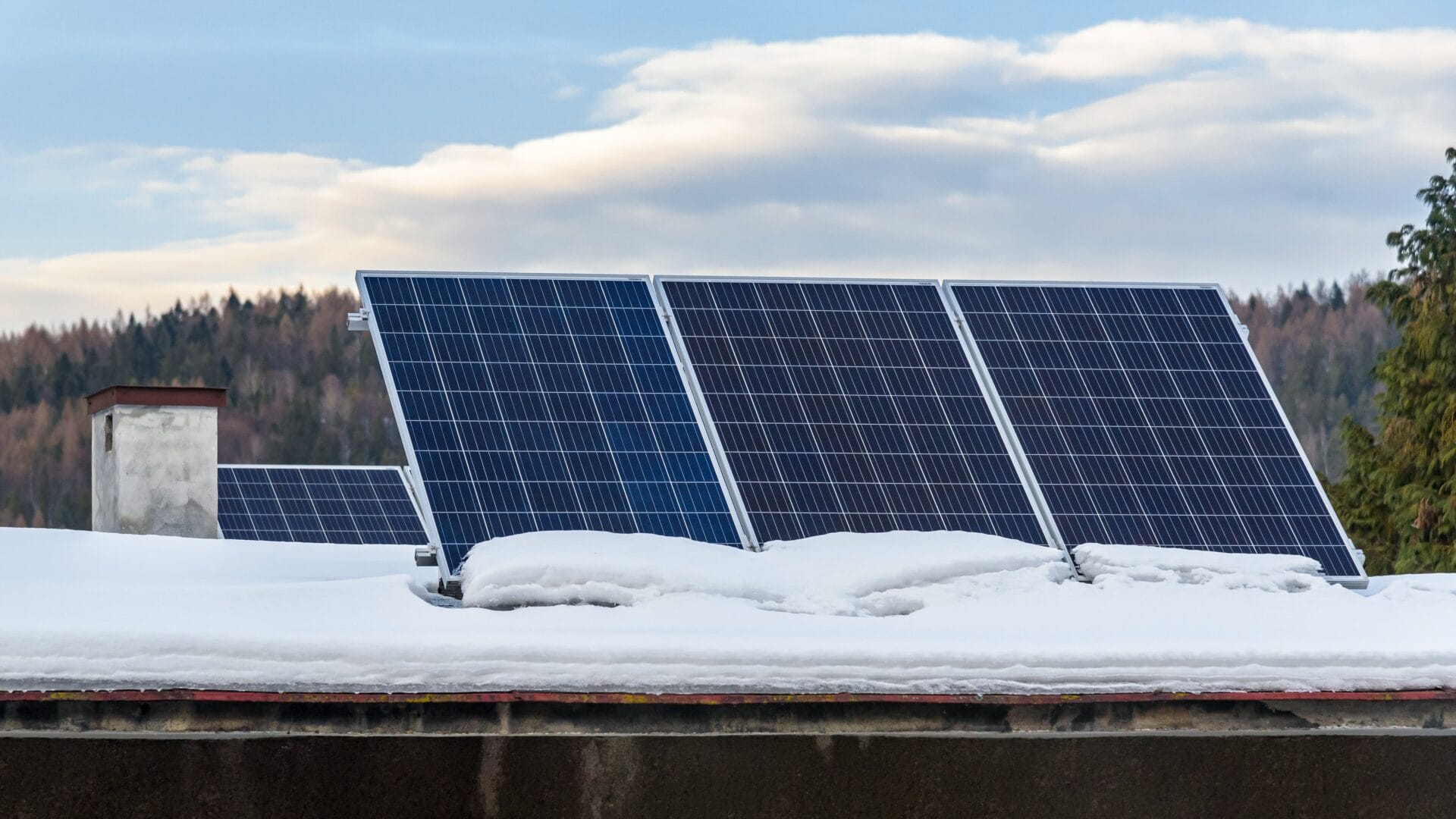
Solar panels might be among the most neglected parts of any property, and they affect the overall power generation capability. An accumulation of dust, debris, bird droppings, and snow on the panel is common and prevents sunlight from reaching the cell, preventing it from generating electricity.
To prevent this, clean the panels regularly, especially after weather events. However, be careful when cleaning. Even a minor mistake can cause a loose connection, which can lower performance.
Energy Storage Capability to Manage Fluctuations
The UK weather is known for its unpredictability, and you must develop a strategy to address it. To ensure electricity at home during weather fluctuations or the rainy season, install solar panels with energy storage.
Dedicated storage stores excess energy produced on sunny days and utilises it on cloudy days. This advanced technology contributes to a seamless, comfortable life. Additionally, you can connect the panel to an inverter and monitor to keep an eye on energy production and storage.
Contrary to popular belief, solar panels can thrive on cloudy days or during the rainy season; however, you need a bit of planning. What are you waiting for? Connect with us now for solar installation in Exeter. At Sunflower Energy Solutions, we are trained and expert solar panel installers with NICEIC-certified operation. We take pride in delivering flawless installations and a seamless experience to our clients.
Install solar panels now.